Oral Appliances for Sleep Apnea From Your General Dentist
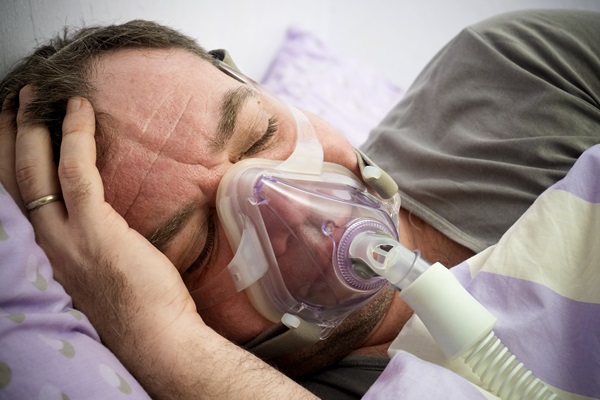
Oral appliances provided by a general dentist are an effective treatment option for sleep apnea. Sleep apnea is a severe disorder in which patients repeatedly stop breathing for a few seconds while sleeping. When the airways are clogged, airflow is momentarily limited, reducing the brain's oxygen level. The condition has physiological and emotional consequences for the patient and the potential for unfavorable side effects. Read on to learn more about the use of oral appliances for sleep apnea.
Sleep apnea treatment using an oral appliance from a general dentist
Oral appliances are designed to be worn in the mouth while the patient is sleeping. They keep the airways open and prevent them from shutting or collapsing, enabling unrestricted and easier breathing. The appliance is quite efficient in treating mild to severe sleep apnea.
For the treatment of sleep apnea and snoring, there are various oral devices available. These appliances will either shift the lower jaw forward or function as tongue retainers. Each is designed to keep the tongue from slipping backward and obstructing the airway.
A mandibular advancement device (MAD) resembles a mouthguard in appearance. The device comprises two parts that fit over the top and bottom teeth and are connected by hinges. The MAD moves the lower jaw forward once in position, keeping the tongue and the soft palate stable to open the airway during sleep.
The use of tongue-retaining devices is less common. They look like splints and function by pushing the tongue forward.
Getting oral devices from a general dentist
Over-the-counter boil-and-bite devices are available in one-size-fits-all configurations. To use one, the patient submerges the device in hot water and bites on it. These options are less expensive, but they are not as effective as custom-made dental appliances and may even potentially aggravate the situation.
Patients with sleep apnea should visit the general dentist for a custom-made device created using the patient's dental impressions. This is particularly important if they grind their teeth often or prefer to sleep on their back or stomach. A bespoke device may enhance sleep quality, decrease snoring frequency and severity, and reduce breathing pauses throughout the night. Oral appliances have a greater compliance rate than CPAP devices in general, according to the Sleep journal.
Choosing the correct oral device
The assigned oral device type is based on the needs of the patient and their sleep condition. The family dentist will do a full examination of the patient. The exam is necessary so the dentist can choose the appropriate dental appliance or another remedy for the condition. The dentist will also check the airway, teeth, and jaw. X-rays may be necessary in some cases to get a clearer picture of the oral cavity.
The dentist will go through all of the patient's treatment options and the associated advantages during the consultation. They will suggest a custom-fitted appliance if they deem it to be the most effective treatment option. They will also discuss the projected cost and probable side effects of the therapy. The FDA has authorized oral devices as a therapy for sleep apnea. In most cases, patients report reduced snoring and better sleep after getting the device.
What to expect when getting dental appliances
The dentist will take impressions of the mouth to develop a physical model of the bite. This way, the oral device will fit snugly and comfortably. The technicians in the dental lab will use the model to manufacture an oral appliance that meets the dentist's precise requirements.
Afterward, the patient will be fitted with the new device, and the dentist will check to see if any modifications are necessary. The item must fit snugly in the mouth to be effective. The patient will receive information on how to use and care for their new oral appliance.
Other things to consider
In contrast to standard surgical therapy for sleep apnea, which includes reducing the soft tissues that tend to clog the air passages, dental appliances have proved to be an effective, less-invasive option for controlling sleep apnea over time.
However, there are certain disadvantages of using oral appliances. Long-term use might result in a shift in bite, dry lips, excessive salivation, and tooth movement or discomfort. The dentist will keep an eye on the patient to verify that the oral device is working properly.
The bottom line
If you are thinking about getting an oral appliance to treat sleep apnea, you should first talk to a general dentist. The dentist will examine your condition to determine if the device will be a practical solution. For severe sleep apnea, a CPAP machine may be recommended along with an oral appliance to provide effective therapy.
Request an appointment here: https://www.dentistofvisalia.com or call Visalia Care Dental at (559) 975-1213 for an appointment in our Visalia office.
Check out what others are saying about our dental services on Yelp: General Dentist in Visalia, CA.
Related Posts
General dentistry delivers comprehensive dental care from childhood through late adulthood. For best results, patients should visit a dentist regularly at every stage of life. This commitment enables patients to fully benefit from general dentistry, promoting optimal oral health and preventing more complex dental issues in the future.General dentistry encompasses a broad range of services…
Seeing a general dentist for routine checkups is one of the most effective ways to protect both oral and overall health. These visits enable dental professionals to identify concerns early, provide essential preventive care, and offer personalized advice tailored to each patient's specific needs. Maintaining a regular schedule of dental checkups supports long-term oral health…
Are you new to the Visalia area? Choosing a new general dentist is an important decision that can impact your long-term oral health. This dental professional provides preventive care, diagnoses dental issues, and performs essential treatments, making your dental provider an essential part of a comprehensive healthcare team.A general dentist serves as the primary care…
A general dentist plays a vital role in guiding patients through the process of maintaining oral health while undergoing orthodontic treatment, such as braces. Braces are an excellent solution for straightening teeth and improving the alignment of the bite. However, they require special care to ensure that both the braces and teeth remain in good…