3 Common General Dentistry Treatments
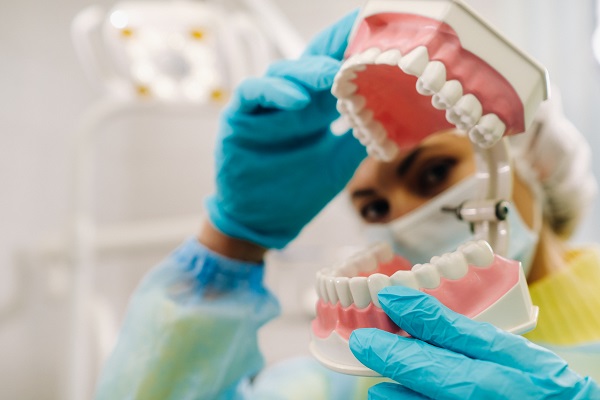
The routine oral care that you receive on an ongoing basis involves general dentistry. You should see a general dentist first if you have any symptoms of dental disorders, as early intervention is often the key to preventing costly damage and extreme discomfort. Additionally, you should also visit periodically even when you do not have any symptoms in the interest of preserving oral health.
What general dentistry treatments are among the most common?
Dentists provide preventive care to avoid oral health disorders. They can also provide basic therapeutic and restorative services to treat relatively minor dental issues. While dental health is unique to individuals, in that genetics, oral hygiene habits, and several other factors impact tooth and gum problems, there are several treatments that are fairly common among all dental patients.
1. Cleanings and exams
Over time, plaque and tartar can build up on the teeth. Brushing and flossing help control this but cannot prevent it altogether. Dentists recommend that patients come in for cleanings on a regular basis to get rid of the buildup that at-home oral hygiene alone cannot remove. Cleanings typically involve using hand tools to remove tartar, polishing the teeth with a motorized handpiece, flossing, and rinsing. During a cleaning, you may also receive a fluoride treatment to prevent tooth decay and reverse it in its early stages.
Dental exams typically occur at the same time as dental cleanings. This often starts with X-rays to examine the teeth and look for any problems that might be affecting the parts that are not visible. The dentist then looks in your mouth for signs of cavities, gum disease, or other problems. This is important because many dental disorders do not cause symptoms in the early stages, but catching them early may mean less extensive treatment.
The frequency of exams and cleanings is determined by the dentist. Most patients have cleanings twice a year. People with severe dental problems may require more frequent exams, while people with excellent oral health may only need to see the dentist annually. There are four types of cleanings that occur, though many patients go years with just a typical cleaning. The cleanings are: prophylaxis dental cleaning, scaling and root planing, periodontal maintenance cleaning, and gross debridement cleaning.
2. Fillings
With a combination of diligent flossing and brushing at home combined with regular general dentistry exams and cleanings, some patients can avoid tooth decay. For patients who do develop cavities, a filling is the most common restorative treatment. Fillings require the decayed material to be removed with a drill and the resulting hole filled back in with a sturdy material that can stand up to the pressures of chewing. Traditional fillings use a silver amalgam to restore the tooth, but there are also tooth-colored filling materials made of compounds of ceramic or plastic.
Fillings are designed to be durable, but there are still steps to take to ensure this protective treatment lasts as long as possible. First of all, continue to brush and floss normally but gently, and use a soft-bristled toothbrush to avoid damaging the filling. Also, consider using mouthwash and toothpaste without alcohol to avoid staining the filling or weakening the stability of the filling. You should also avoid extremely cold or hot foods to reduce the amount of expansion and contraction on the filling.
3. Sealants
Sealants are a preventive treatment that involves coating the teeth with a plastic resin that forms a protective barrier against decay by bonding to the tooth. The teeth have grooves where bacteria can collect and start forming a cavity. Sealants help prevent this by getting down into the grooves and smoothing them out as the material hardens.
Sealants are typically used as a preventative in childhood, but adults can have them too as long as their teeth are healthy. You can prolong the protection you receive by having the treatment repeated every three to five years, which is typically how long sealants last. Sealants do not replace brushing and flossing but help to make at-home dental hygiene more effective at preventing cavities.
Conclusion
General dentistry involves treatments that are routine and basic. The services dentists provide can be restorative, therapeutic, or preventative in nature. It is important to keep your dental appointments and maintain open communication with your dentists. These treatments can preserve both your oral health and your physical health, which is why you should thoroughly discuss each with your dentist if you have a dental concern.
Request an appointment here: https://www.dentistofvisalia.com or call Visalia Care Dental at (559) 975-1213 for an appointment in our Visalia office.
Check out what others are saying about our dental services on Yelp: General Dentist in Visalia, CA.
Related Posts
A trusted general dentist plays an important role in protecting long-term oral health, supporting early treatment, and helping patients feel more confident about routine dental care. Many people think of dental visits as something to schedule only when pain or damage appears, but regular care offers far more than a reaction to urgent problems. Understanding…
Oral appliances are custom-made devices that dentists use to treat a range of dental issues. A dentist can help determine which oral appliance is the most effective for addressing specific conditions. These appliances help enhance oral health, function, and comfort, often serving as an alternative to more invasive procedures. Here is a list of some…
While general dentistry focuses on maintaining oral health, it also offers cosmetic solutions to enhance the smile's appearance. Many patients are unaware that procedures designed to brighten or improve the look of teeth are often available within the scope of general dental care. From subtle changes to more transformative treatments, general dentistry provides a range…
General dentistry delivers comprehensive dental care from childhood through late adulthood. For best results, patients should visit a dentist regularly at every stage of life. This commitment enables patients to fully benefit from general dentistry, promoting optimal oral health and preventing more complex dental issues in the future.General dentistry encompasses a broad range of services…